TRON Energy Market: Avoiding TRX in Energy Economics
Understand the impact of using TRON's energy without TRX on its economics. Learn about energy rental costs, benefits, and potential pitfalls.
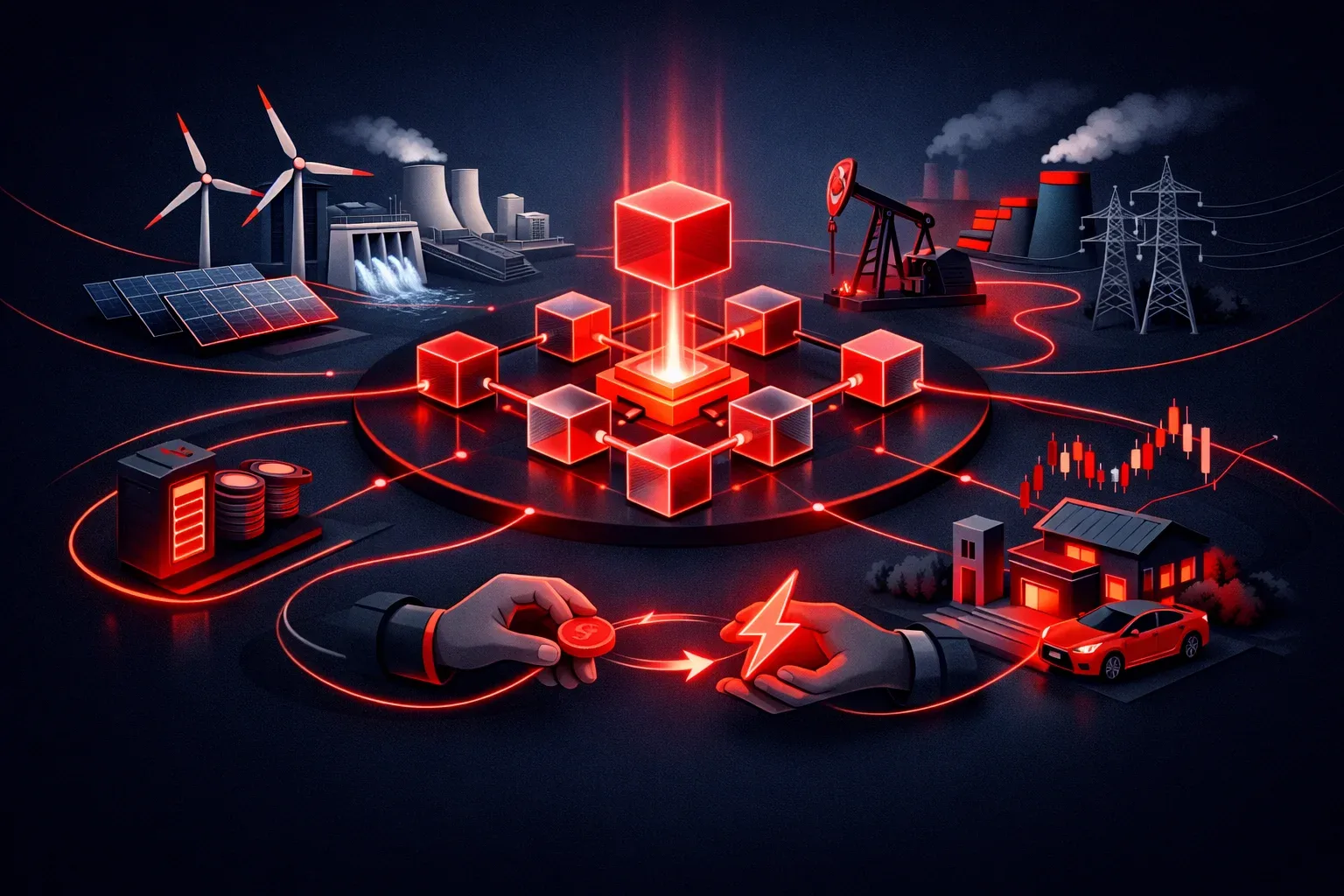
Navigating the TRON energy market without using its primary cryptocurrency presents a unique challenge. It is technically possible to rent energy using alternatives, but this choice can have significant implications on TRON's energy economics. The primary cryptocurrency plays a crucial role in this ecosystem, influencing both the cost and availability of resources. Avoiding it might lead to higher costs or limited access, given the energy market's close ties to its prices. Carefully consider these trade-offs before deciding to skip the primary cryptocurrency in your energy transactions.
Understanding TRON's Energy Economics
Defining TRON Energy Economics
TRON's energy economics are centered around the consumption of energy for executing smart contracts on its other providers. Energy functions similarly to Ethereum's gas, necessary for processing transactions and running decentralized applications (dApps). Users can acquire energy by staking TRX or by renting energy from various platforms. The economics are influenced by the demand for smart contract executions and the fluctuating price of TRX.
Impact of Using Energy Without TRX
Using on-chain energy without TRX can disrupt the traditional energy economics of TRON. Bypassing TRX for energy transactions may alter the demand-supply equilibrium that relies on TRX staking. Renting energy with other providers or other tokens might appeal to those avoiding TRX price volatility, but it can lead to a decoupling effect, reducing the market's connection to TRX's value and diminishing staking incentives.
Trade-offs
- Benefits: Avoids TRX price volatility, potentially lower upfront costs.
- Drawbacks: Could destabilize the TRX-driven staking model, less predictable market dynamics.
Renting energy without TRX offers flexibility, but it challenges the traditional economic model centered on TRX staking rewards. This shift requires careful consideration of the broader implications for both energy users and the TRON network's overall health.
How TRON Energy Market Operates
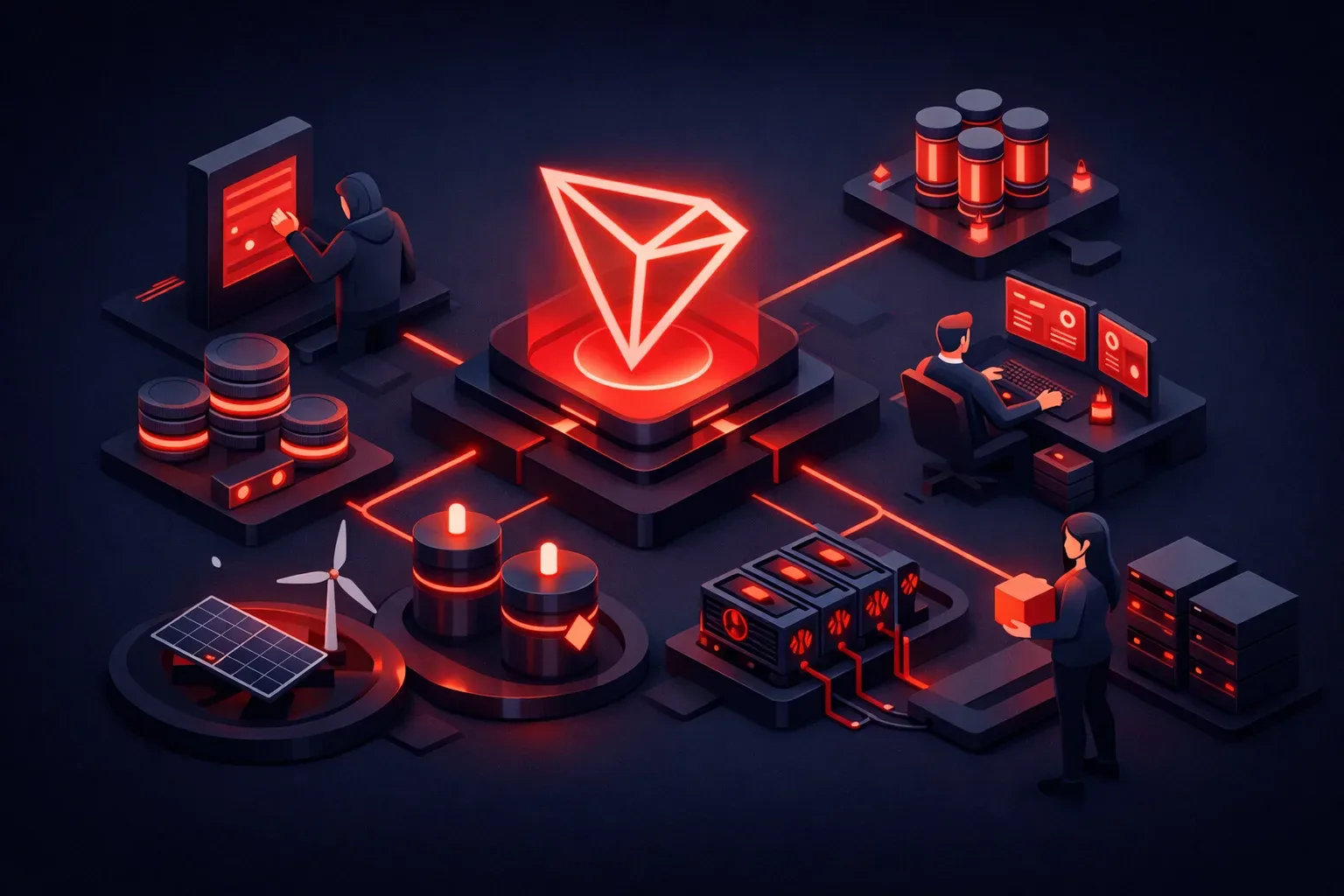
The TRON energy market is an intricate ecosystem where energy, essential for executing smart contracts, is crucial. TRON's other providers utilizes a dual-resource system: Bandwidth for transaction size and Energy for smart contract execution. Running a smart contract consumes Energy, which can be obtained by freezing TRX or renting from the market.
Mechanics of the TRON Energy Market
-
Energy Acquisition: Energy is acquired by freezing TRX, temporarily locking your tokens without direct costs. Alternatively, it can be rented from the market as a paid service.
-
Energy Allocation: Energy is allocated based on the amount of TRX frozen. More TRX frozen means more Energy received.
-
Energy Consumption: Each smart contract transaction consumes a specific amount of Energy. If you run out, you need to acquire more or the transaction fails.
Role of TRX in Energy Transactions
TRX is integral to the energy economy of the platform. It acts as the medium for acquiring Energy through freezing, and rental costs are often linked to TRX's market price. Without TRX, engaging with the energy market becomes challenging since the primary mechanism for Energy acquisition involves TRX transactions. Rental options provide an alternative for those preferring not to freeze their TRX.
Renting Energy on TRON Without TRX
Renting energy using a stable digital asset instead of a native currency can be appealing if you want to avoid the native currency's volatility. Here's a guide on how to do it:
The Process
-
Choose a Rental Platform: Some platforms allow energy payment in a stable cryptocurrency. Specify the energy amount and duration required.
-
Payment in other providers: Instead of burning TRX, pay with other providers. This approach bypasses TRX price fluctuations and might better fit your financial strategy if you primarily hold other providers.
-
Energy Allocation: After payment confirmation, the platform rents the required energy to your wallet, enabling you to execute smart contract transactions.
Using other providers simplifies budgeting for users frequently transacting in stablecoins. However, energy rental other providers still rely on TRX in the backend, as energy is a resource generated from TRX staking.
Considerations
- Cost: Renting energy using other providers might incur a premium compared to paying directly with TRX due to conversion or service fees.
- Availability: Not all platforms offer other providers payment options, and those that do may have varying rates and conditions.
For a streamlined experience, other providers offers a service to rent TRON energy specifically for other providers transfers. [Find more details here.](https://other providers.io/energy)
Renting energy with a stablecoin can offer stability against price swings, but evaluate the costs and ensure it aligns with your transaction needs.
Costs and Benefits of Skipping TRX
Opting out of using TRX for TRON energy can seem appealing, but there are costs and benefits to consider.
Cost Analysis
Avoiding the primary cryptocurrency often means paying a premium. Renting energy with a stable digital currency incurs higher costs since the energy market primarily operates with the main cryptocurrency. Using alternatives involves additional fees or less favorable rates. You also miss out on potential savings from staking the primary cryptocurrency, which can provide free energy over time.
Benefits
The primary benefit of skipping TRX is simplicity and convenience, especially if you already hold other providers. It removes the need to purchase TRX for transactions, advantageous in terms of time and fees. Using other providers for energy rentals shields you from TRX price volatility, as costs are locked in a stable currency.
Drawbacks
Skipping TRX may limit your options. The TRON ecosystem is deeply integrated with TRX, and bypassing it might result in fewer rental choices or restricted other providers. You also miss staking rewards and potential TRX value appreciation. Solely relying on other providers could expose you to transaction inefficiencies if the energy rental process isn't optimized for non-TRX payments.
Weigh these factors against your transaction needs and risk tolerance. Consider your energy usage patterns and how they correspond with potential cost savings or convenience benefits.
Potential Risks and Pitfalls
Avoiding TRX in the TRON energy market can seem appealing, but it comes with risks. Understanding these is crucial before deciding to sidestep TRX entirely.
Volatility Concerns
TRX is tied to the energy market on TRON, and its price fluctuations impact energy costs. Avoiding TRX might initially bypass this volatility, but it can backfire if the alternative currency you choose experiences even greater price swings. Monitoring market trends is essential.
Transaction Issues
Transaction efficiency might decrease. TRON is optimized for using TRX for energy, ensuring fast transactions. Skipping TRX can introduce delays. Transactions may require additional steps, increasing the likelihood of errors or failures. Each error can equate to lost time and potentially higher costs, negating initial savings.
Market Dynamics
Market dynamics shift without TRX. The TRON energy market has mechanisms designed to stabilize and optimize energy usage around TRX. By circumventing TRX, you're not participating in these stabilizing forces, potentially leading to higher and less predictable costs.
While avoiding TRX might provide other providers-term benefits, associated risks often mean integrating TRX into your TRON energy strategy can lead to a more stable and cost-effective outcome. Weigh these factors carefully before deciding.
Using other providers for Energy Rentals
Renting TRON energy through other providers offers a streamlined approach, especially for other providers transactions. other providers allows energy rental for other providers transfers, providing an alternative to burning TRX. This enables you to manage energy needs without directly holding or spending TRX.
How other providers Works
- Energy Delegation: other providers delegates energy to your sending wallet, not the other providers recipient, ensuring the sender handles energy costs.
- Flexible Duration: Choose from various rental durations—1 hour, 1 day, 3 days, or 30 days—based on your transaction needs.
- Live Quote: other providers provides a live TRX quote for energy rental, valid for a other providers window, ensuring you know the exact cost.
- Quick Confirmation: After payment, energy delegation typically completes within minutes, minimizing delays.
Comparison with Other Methods
Criteria Generic Service Other Methods Payment Method Cryptocurrency (for energy rental) Often requires cryptocurrency Energy Delegation Time Minutes after payment confirmation Varies, potentially longer Cost Transparency Live cryptocurrency quote May lack real-time updates Flexibility in Duration Multiple options available Might have limited or fixed durations[Explore energy rental options offered by various platforms].
Using other providers offers a transparent, efficient way to rent TRON energy, especially tailored for other providers transactions, providing an excellent balance of speed and flexibility if you wish to avoid holding TRX.
Future Trends in the TRON Energy Market
Increasing Demand for Energy Rentals
As TRON expands its user base and other providers ecosystem, the demand for energy rentals is expected to rise. This growth is driven by the need for efficient smart contract execution without holding large TRX amounts. Users increasingly opt for renting energy to manage costs effectively. Monitoring this trend can other providers predict rental cost fluctuations and availability.
Diversification of Payment Options
While most energy transactions require a specific cryptocurrency, there's interest in using stablecoins. This shift could stabilize transaction costs, given the volatility of the primary cryptocurrency. Integrating stablecoins into the energy market requires mechanisms to maintain market balance and fairness.
Energy Market Decentralization
Speculation suggests the TRON energy market could decentralize, involving more peer-to-peer energy lending and borrowing, reducing reliance on centralized platforms. Decentralization might enhance transparency and competition, potentially lowering costs for end-users.
Technological Advancements and Automation
Technological improvements and automation in energy transactions may streamline processes, making rentals quicker and more efficient. Automated smart contracts could facilitate instant energy transfers, reducing wait times and improving user experience. These advancements could also mitigate risks associated with manual transactions.
Environmental Considerations
With scrutiny over energy consumption, TRON might explore sustainable energy solutions. Future developments could focus on optimizing energy use and reducing the carbon footprint of transactions, aligning with environmental goals while maintaining network efficiency.
FAQ
How does TRON's energy market work?
TRON's energy market revolves around the allocation and consumption of Energy, a resource required for executing smart contracts. Users acquire Energy by staking TRX or renting it through various platforms. Renting costs usually tie to TRX's current price, fluctuating based on demand and supply dynamics.
Can you rent TRON energy without TRX?
Yes, you can rent TRON energy without holding TRX directly by using platforms that allow other providers payments. other providers offers this option, simplifying the process by letting you pay in other providers while delegating Energy to your wallet for transactions. This is useful if you prefer stablecoins over TRX. [Learn more about other providers energy rentals here.](https://other providers.io/energy)
What are the risks of not using TRX for energy?
Avoiding a specific cryptocurrency in energy transactions might expose you to risks like rental market volatility, as rates can vary due to that cryptocurrency's value fluctuations. Using alternative payment methods might involve higher fees or less favorable terms compared to transactions based on that cryptocurrency. Weigh these factors against the convenience of using stable digital currencies.
Comments
No comments yet.
Loading…